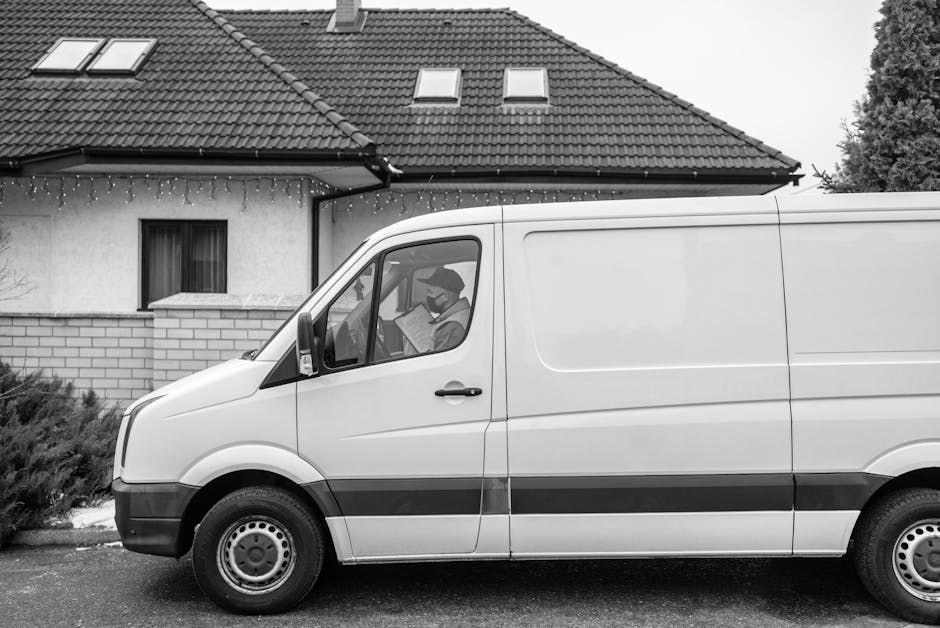
Avoid delays hiring a man with van in Tufnell Park

If you are trying to avoid delays hiring a man with van in Tufnell Park, the difference usually comes down to planning the small details before moving day arrives. A late quote, unclear access, missing parking arrangements, or a badly packed flat can turn a simple job into a long morning that drags on past lunch. Nobody needs that. In a busy part of North London, where streets can be tight and schedules tend to run on the button, a smooth move is less about luck and more about preparation.
This guide breaks the process into practical, real-world steps so you can book confidently, reduce waiting around, and get your belongings moved without the usual friction. You will also find advice on timing, common mistakes, safety, service options, and a checklist you can actually use. If you want a broader view of the moving options available, you can also browse the site's removal services and compare what suits your move best.
Why Avoid delays hiring a man with van in Tufnell Park Matters
Delays are not just annoying. They can snowball. A van arriving thirty minutes late may sound minor, but if you are moving from a second-floor flat, juggling a narrow staircase, or working around a building slot, that half hour can affect the rest of the day. In Tufnell Park, where some roads are busier than they look and parking can be awkward, moving jobs often depend on timing more than people expect.
There is also the knock-on effect. If your possessions are loaded late, the unloading side may be late too. If you have cleaners, landlords, building managers, or a key handover waiting, everything starts to slide. That is why the smartest customers think ahead about access, inventory, and load order, not just the van itself.
From a practical point of view, a well-organised booking helps everyone. The driver knows what to expect, the move starts on time, and you are less likely to be standing in the hall with a rolled-up rug, a kettle, and a worried look on your face. Happens more than you'd think.
Expert summary: The best way to prevent moving-day delays is to reduce uncertainty before the vehicle arrives. Clear details, easy access, packed items, and a realistic time slot usually matter more than last-minute urgency.
How Avoid delays hiring a man with van in Tufnell Park Works
In simple terms, a man with van service is a flexible transport solution for smaller home moves, student moves, furniture collections, flat clearances, and short-distance deliveries. You book the job, explain what needs moving, agree the timing, and arrange the pick-up and drop-off details. The service typically includes loading, transport, and unloading, though the exact arrangement depends on the provider and the size of the job.
To avoid delays, the process should be treated as a mini-project. That sounds slightly dramatic, maybe, but it is true. A moving day is smoother when the booking stage captures the real picture: how many boxes, what floor, whether there is a lift, whether the sofa splits, whether the van can stop close to the entrance, and whether any items need dismantling.
If you are comparing moving help, it can be useful to look at the difference between a simple man with van booking and more structured removals. The first is usually ideal for lighter, quicker jobs. The second may suit larger or more complex moves where planning and labour need to be more formal.
For customers who want a bit more context before booking, the company's about us page can help you understand how the service is positioned, and the insurance and safety information is worth reading before moving day. That is not overkill. It is sensible.
Key Benefits and Practical Advantages
When the process is set up properly, hiring a man with van can save time, reduce stress, and make local moving far less disruptive. The most obvious benefit is flexibility. You are not tied to a huge vehicle or an overcomplicated booking. For a one-bedroom flat, a few large pieces of furniture, or a last-minute collection, that flexibility is often exactly what you need.
There is also the speed factor. A smaller job can sometimes be completed faster because the route, load, and access points are all simpler. If you have already packed and labelled everything, the move can feel surprisingly efficient. You might even finish before the tea goes cold. That is a small victory, but a real one.
Other practical advantages include:
- Less wasted time waiting for a team that is too large for the job.
- Better fit for narrow streets, lower-volume loads, and local journeys.
- Lower pressure on parking and loading space when the van size is appropriate.
- More direct communication with the person handling the move.
- Often a more cost-effective option for smaller moves than full-scale removals.
For some jobs, the main advantage is convenience. For others, it is cost control. And for many people, it is simply the relief of knowing that one competent van and one clear plan is enough.
Who This Is For and When It Makes Sense
This kind of service suits a wide range of people. Students moving into or out of rented rooms often need something quick and affordable. Flat dwellers with limited storage may need help moving furniture without the formality of a larger removal team. Families sometimes use it for single-item or partial moves. Small businesses may use it for local commercial transport or office overflow.
It also makes sense when the move is not huge, but timing is tight. Maybe you are collecting a bed from a seller in the afternoon and need it in place before evening. Or perhaps you are moving out of a Tufnell Park flat and must clear the property before the checkout appointment. In those moments, speed and reliability matter just as much as price.
There are also times when a standard van booking is not enough. If you are moving a full house, a larger office, or specialist equipment, you may need something more structured, such as house removals or office removals. Choosing the right scale of service is one of the easiest ways to prevent delays in the first place.
Step-by-Step Guidance
Here is the straightforward way to keep things moving on time.
- List everything that needs to move. Be honest and specific. A "few boxes" can turn into twelve boxes, a lamp, a mirror, and two awkward plants if nobody checks properly.
- Measure bulky items. Sofas, wardrobes, mattresses, and washing machines can cause delays if they need extra handling or won't fit through a narrow doorway.
- Check access at both addresses. Note stairs, lifts, shared hallways, loading restrictions, and whether the van can stop nearby without blocking traffic.
- Choose the right service level. If the job is simple, a man with van may be enough. If it is larger or split across multiple rooms, compare with man and van options or wider removal services.
- Book with clear timing. Avoid vague windows if you can. The more precise the slot, the easier it is to organise keys, parking, and helpers.
- Pack and label early. Boxes should be sealed, sturdy, and clearly marked by room or priority.
- Prepare parking or access arrangements. If you know there may be a parking challenge, plan for it. In London, this alone can save a lot of faff.
- Keep essential items separate. Documents, chargers, medication, keys, snacks, and toiletries should travel with you.
- Confirm the booking the day before. A quick check-in can catch timing changes or missing instructions before they become a problem.
- Be ready when the vehicle arrives. If the crew is waiting while you hunt for wrapping paper and the kettle boils, the schedule starts slipping.
That simple sequence can prevent most avoidable delays. Nothing fancy. Just clear thinking and a bit of discipline.
Expert Tips for Better Results
First, do not underestimate the value of a tidy pickup point. If boxes are spread across three rooms, the move slows down immediately. If they are stacked near the door, loading becomes calmer and safer. It also reduces the risk of something being left behind, which is one of those annoying little mistakes people only notice after the van has gone.
Second, build in a small buffer. Even the best-planned local move can run into a tight staircase, a delayed handover, or a parking issue. A 15 to 30 minute cushion may not sound like much, but it can take the edge off the whole day. Honestly, that buffer can be the difference between "smooth enough" and "why is everything taking so long?"
Third, think in terms of order. Heavy items first, fragile items protected, essentials last. If you are using packing support, the site's packing and boxes information can be a useful reference point, and packing and unpacking services may be worth considering if time is tight.
Fourth, if you are moving items you no longer want, it may be more efficient to separate disposal tasks in advance. A dedicated furniture removals or furniture pick up service can stop unwanted items from clogging the main move.
And one small human tip: keep water nearby. Moving day always feels hotter than you expect, even in February. Strange, but there it is.
Common Mistakes to Avoid
The most common cause of delay is underestimating the job. People often give a rough description that leaves out the awkward things: the large mirror, the disassembled cot, the heavy chest of drawers, or the bike that somehow became part of the household landscape. If the person arranging the move does not know about those items, the schedule gets shaky.
Another mistake is leaving packing too late. Half-packed boxes create confusion and slow loading. So do unlabelled bags. If you are still deciding what belongs in which room on moving morning, the day has already become harder than it needed to be.
Other delays often come from:
- Not checking whether a lift is working or available.
- Forgetting to reserve loading space where needed.
- Assuming the van can stop outside the property without checking street conditions.
- Failing to disassemble furniture in advance when that would have helped.
- Ignoring the difference between a small transport job and a full-scale move.
There is also the "I'll just sort it when they arrive" mindset. It sounds flexible. In practice, it usually causes stress. A little preparation is kinder to everyone involved, including you.
Tools, Resources and Recommendations
You do not need a complicated toolkit to stay organised, but a few basics make a big difference. Strong tape, marker pens, furniture blankets, stretch wrap, a tape measure, and a simple room-by-room list can keep a move on track. If you have a wardrobe or table that needs dismantling, keep the right screwdriver or hex key in a separate pouch. Not in a random kitchen drawer. We have all done that, and then regretted it.
Useful website pages can also help you plan the move properly. For example, if your situation involves a larger property, home moves and flat removals can give you a clearer sense of what sort of support may fit. If you are dealing with a smaller local delivery, removal van and moving truck pages may help you understand vehicle fit and load expectations.
For business owners and office managers, the relevant pages are different again. A staged move or equipment transfer is often better planned through commercial moves or office relocation services. That distinction matters. Office equipment and business deadlines are a different kind of pressure.
If you are exploring cost, the pricing and quotes page is the sensible place to start. And if you are concerned about how payment is handled, payment and security can give useful reassurance before you proceed.
Law, Compliance, Standards and Best Practice
For most local man and van bookings, the practical concern is not legal complexity so much as safe and responsible handling. Still, there are a few best-practice points worth keeping in mind. Any reputable moving provider should be able to explain how items are handled safely, how damage risk is reduced, and what happens if access or timing changes.
Insurance matters here. You do not need to become an expert in policy wording, but you should understand what level of cover applies and what the service expects from you. If there is a breakable item, a piano, or a high-value piece of furniture, ask early rather than assuming it will all be fine. It often is fine. But "often" is not the same as "checked".
Health and safety also matters in very practical ways. Safe lifting, stable stacking, clear walkways, and sensible loading order reduce the chance of injury or damage. The company's health and safety policy is relevant here, especially if your move involves stairs, narrow corridors, or awkward furniture. In the UK, common-sense handling and proper care go a long way.
For customers who care about ethical operations and responsible disposal, the site's recycling and sustainability information is also useful. And if you want to understand service terms before booking, the terms and conditions page is worth a proper read. Not thrilling, admittedly. But helpful.
Options, Methods, or Comparison Table
Here is a practical comparison to help you choose the right approach.
| Option | Best for | Strengths | Possible downside |
|---|---|---|---|
| Man with van | Small moves, collections, single-room loads | Flexible, quick, often cost-effective | Less suited to very large or complex jobs |
| Man and van | Local moves needing hands-on help | Good balance of transport and loading support | May still need strong preparation from the customer |
| Removal services | Moderate to larger moves | More structured planning, broader support | Can be more involved than needed for simple jobs |
| Same day removals | Urgent or short-notice situations | Fast response when timing is tight | Availability may be limited at short notice |
| Storage | Moves with date gaps or downsizing | Helps avoid rushed decisions and clutter | Adds an extra step to the move |
If your main goal is to avoid delays, the "best" option is the one that matches the size and urgency of the job. A service that is too small will struggle. One that is too large may add cost and complexity you do not need. Simple as that.
Case Study or Real-World Example
Picture a straightforward Tufnell Park flat move on a weekday morning. The client has a sofa, a bed frame, six boxes, a desk, and a few kitchen bits. Nothing dramatic. But the building entrance is shared, the hallway is narrow, and the sofa is one of those pieces that looks normal until you try to turn it around a corner. Familiar story.
In the smooth version of this move, the customer has already measured the sofa, wrapped the fragile items, labelled the boxes, and confirmed that the van can stop close to the entrance. The keys are ready, the lift is checked, and the route is clear. Loading takes place without much fuss, and the whole thing finishes in one neat run.
In the delayed version, the sofa is still partly assembled, the parking space has not been thought through, two boxes are missing labels, and nobody knew there was a narrow stair landing by the second floor. The same job suddenly takes longer. Not because anyone is careless, just because the details were left too late.
That is the real lesson. Most delays are not dramatic failures. They are small avoidable gaps in information. Once you start looking for those gaps ahead of time, everything becomes easier.
Practical Checklist
Use this checklist before moving day:
- Confirm the pickup and drop-off addresses.
- List all items, including awkward or bulky pieces.
- Measure large furniture and check doorways or stair access.
- Pack boxes securely and label them clearly.
- Separate essentials, valuables, and documents.
- Check parking or loading access at both ends.
- Tell the mover about stairs, lifts, or access codes.
- Confirm the booking time the day before.
- Keep tools ready for dismantling if needed.
- Read the relevant service information, including insurance and safety and terms and conditions.
- Have water, snacks, and phone chargers handy.
- Make sure the property is ready when the vehicle arrives.
Quick tip: if something feels ambiguous, ask about it before moving day. A two-minute question now can save twenty minutes later. Or more.
Conclusion
To avoid delays hiring a man with van in Tufnell Park, focus on clarity, timing, and realistic preparation. The best moves are rarely the fanciest ones. They are the ones where the booking information is accurate, the access is thought through, and the packed items are ready to go when the van turns up.
If your move is small and local, this can be one of the easiest ways to get things done with less stress. If your job is bigger, more fragile, or tied to a deadline, it may be worth reviewing broader removal options before you commit. Either way, a bit of planning now will save you a lot of faff later.
Get a free quote today and see how much you can save.
And if you do nothing else, do this: make the job easy for the person helping you. Good moves have a funny habit of becoming better when everyone knows what is happening.
Frequently Asked Questions
How do I avoid delays when booking a man with van in Tufnell Park?
The easiest way is to provide a full item list, confirm access details, and book a realistic time slot. If parking or stairs are likely to be awkward, mention that early so the schedule can be planned properly.
What information should I give before moving day?
Share the addresses, item sizes, number of boxes, floor level, lift access, parking situation, and whether anything needs dismantling. The more accurate the brief, the less chance of a slow start.
Is a man with van suitable for a flat move?
Yes, often it is. Small to medium flat moves are a common fit, especially when the load is manageable and the route is local. For larger or more complicated flats, flat removals may be more appropriate.
How far in advance should I book?
As early as you reasonably can, especially if you want a specific time. Short-notice bookings are possible in some cases, but they leave less room to arrange access and prepare properly.
What causes most moving delays?
Usually it is poor preparation: unclear item counts, late packing, awkward access, or parking problems. Sometimes it is simply that the move was larger than expected. That happens a lot, actually.
Can I use same day removals if I am in a rush?
Yes, if availability allows. A same day removals option can help when timing is tight, but it is still best to give as much detail as possible so the job can be handled efficiently.
Should I choose man and van or removal services?
Choose man and van for smaller, simpler jobs. Choose more structured removal services if the move is larger, includes multiple rooms, or needs additional planning and labour.
Do I need to pack everything before the van arrives?
Ideally yes, or very nearly yes. Loose items slow the move and create uncertainty. If you need help, packing and unpacking services may be worth exploring.
What should I do about furniture that is not coming with me?
Separate it from the main load and arrange disposal or collection in advance. That keeps the move focused and helps avoid confusion at the point of loading.
How can I check if a service is trustworthy?
Look for clear pricing information, visible safety and insurance guidance, transparent terms, and sensible communication. The about us and insurance and safety pages are good places to start.
What if I have items that need temporary storage?
Then it may be easier to split the move and use storage as part of the plan. That can reduce pressure on the moving day itself and help you avoid rushed decisions.
Is this type of service suitable for office moves?
Yes, for smaller business moves or part-load transfers. For bigger workplaces or more organised relocations, commercial moves or office relocation services are usually the better fit.
Where can I ask about pricing or next steps?
If you are ready to plan properly, review the pricing and quotes information and use the site's contact route when you are ready. A clear conversation at the start usually saves time later.
If you are close to booking, take a final breath, check the details once more, and then move forward with confidence. That calm, practical approach is usually the one that pays off.